


Mardi Himal Trek


Trip Duration
6 Days
Group Sizes
2-16 People
Destination
Nepal
Max. Altitude
4,500m. / 14,764ft.
Activities
- Trekking
- Sightseeing

Difficulty
Easy
Meals
- Breakfast
- Lunch
- Dinner

Start & End Point
Kathmandu
Accommodation
- Hotel
- Lodge
Trip Highlights
- Trek in a pleasant & peaceful environment.
- Admire the culture & values of different Nepalese communities
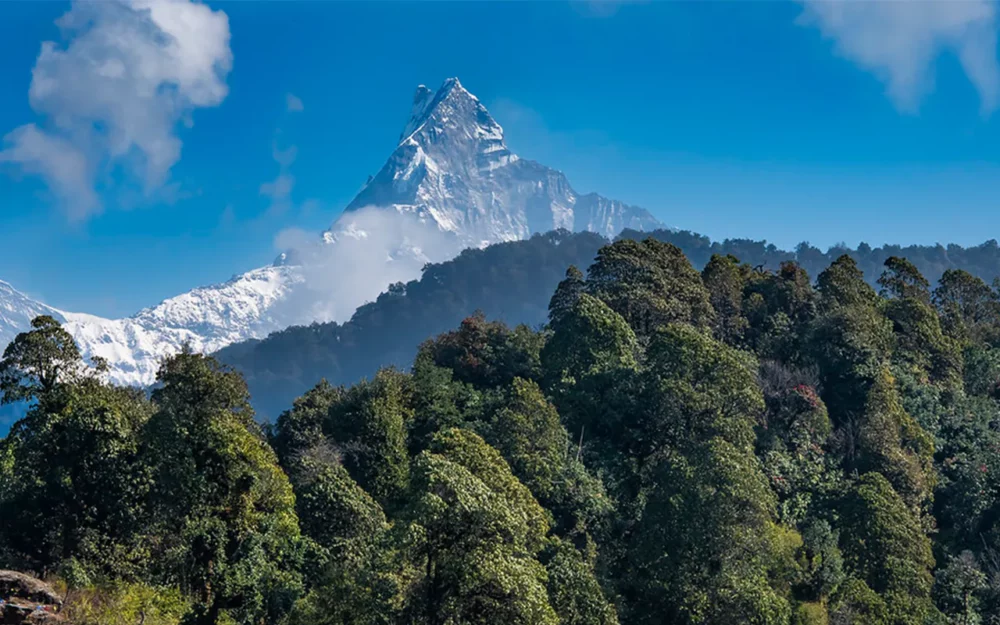
- Awe-inspiring views of Fishtail, Annapurna ranges, Hiunchuli, Bouddha, Lamjung and Manaslu
- Witnessing sunrise and sunsets over Himalayas.
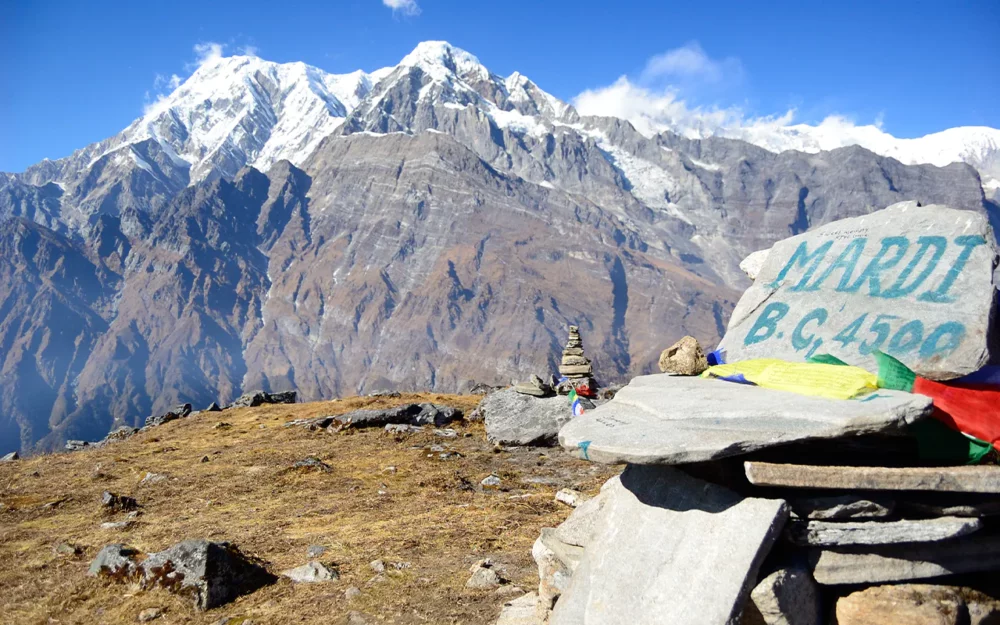
- Get a panoramic views of vistas & mountains from Mardi Himal Base Camp (4,500 meters)
- Explore the diverse flora & fauna, and rhododendron forests
- Encounter with musk deer, different species of birds and Danphe (national bird of Nepal)
- Elegant waterfalls and rivers during the route.
- Discover Kande – a charming village in the Annapurna region.
- More enjoyment in less crowded trails.
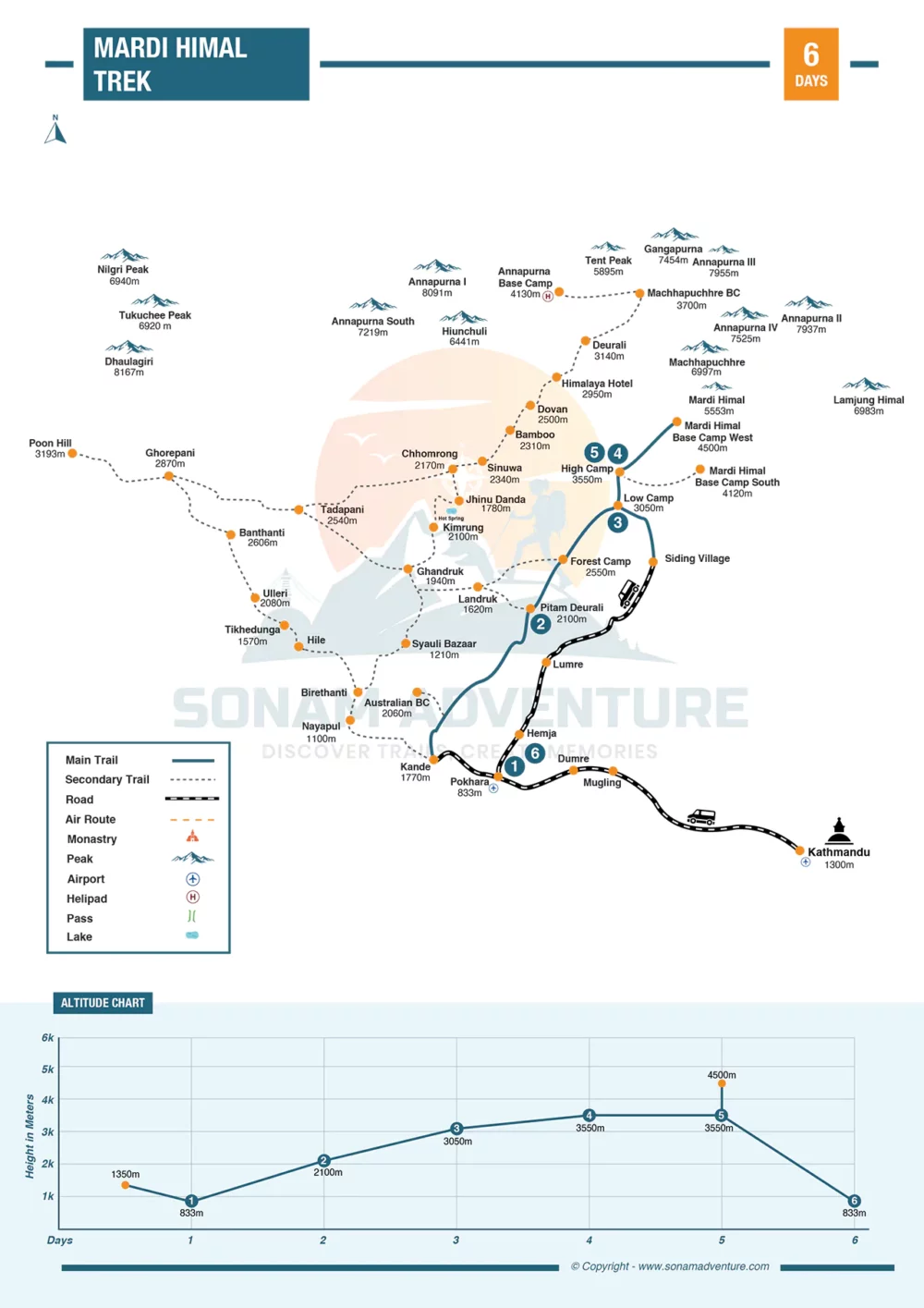
Overview of Mardi Himal Trek
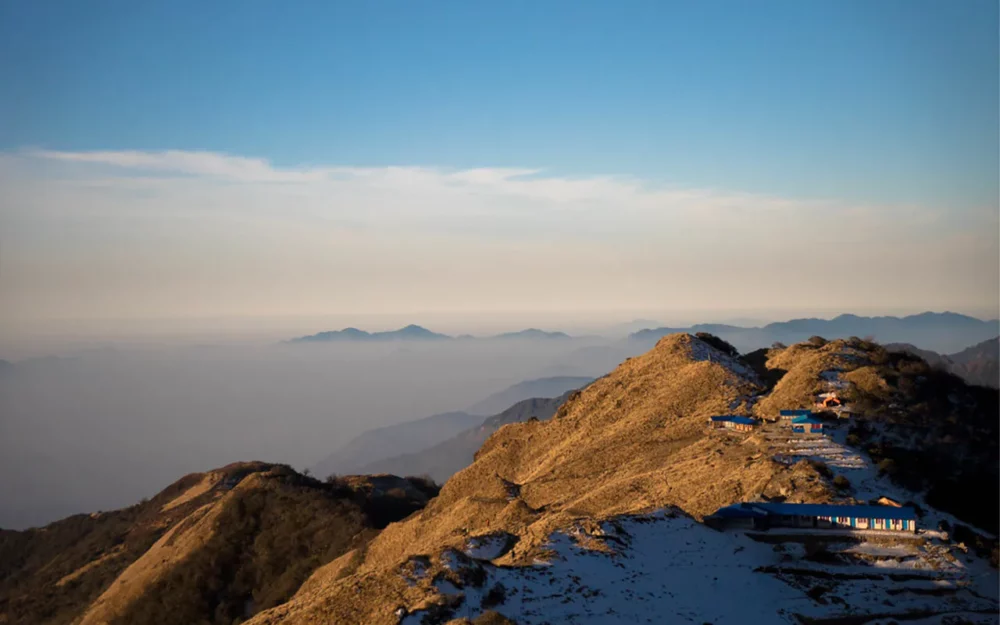
Mardi Himal Trek is among the most anticipated and fascinating treks in the Annapurna region. It is also one of the easiest and shortest treks in Nepal. The trek starts just few hours of drive from the Pokhara. The six-day journey offers panoramic views of mountains that include Annapurna South, Fishtail, Hiunchuli, and Mardi itself.
Throughout the beautiful journey, you’ll explore diverse landscapes, rhododendron forests and alpine terrains. Aside from this, you may also encounter wildlife animals and birds like musk deer, kalij and danphe (National bird of Nepal). Further, you’ll also interact, socialize and receive warm hospitality from the local communities.
The trek is regarded as moderate and doable for beginners. It’s a trip that you experience with your families. The most promising fact– it is less crowded and more peaceful.
Itinerary of Mardi Himal Trek
Day 01: Drive from Kathmandu to Pokhara
This is the first day of our trek. To begin the Mardi Himal trek, you first need to get from Kathmandu to Pokhara, which is also called the gateway of the Annapurna region.
After having an early morning breakfast, we’ll reach Gongabu to catch a bus to Pokhara, which takes approximately 8 hrs.
Our journey will be astounding. Throughout the drive, we’ll see a diverse landscape, greenery hills, and glimpses of several Himalayas. Further, we’ll also pass through rural settlements along the Trishuli River.
Before the sun goes down, we’ll reach Pokhara. It is a paradise place for the tourists. Meanwhile, in the evening, you may stroll around the lakeside. It is also a promising place for nightlife. After having dinner, you may enjoy in discotheques and clubs.
Meals
Hotel
Max Altitude
822mDay 02: Drive to Kande, trek to Pitam Deurali
This is the second day of our Mardi Himal Trek. Firstly, we’ll drive to Kande and then trek to Pitam Deurali.
After having a delicious breakfast, we’ll catch a private vehicle from Pokhara to reach Kande. The journey will be fabulous. Throughout the drive, we’ll indulge in the serene atmosphere by adore the views of Annapurna and Macchapucchre. After 4-5 hours of drive, we’ll reach Kande.
After reaching Kande, we’ll have lunch and rest for a while. It is an elegant & charming village situated in the Annapurna region.
We’ll have an uphill walk and a short hike today to reach the day’s second destination. Throughout the trek, we’ll pass through lush green forests and diverse landscapes. Further, you’ll also get glimpses of Himalayan and peaks.
After hiking for 4 hours, we’ll reach Pritam Deurali. We have an overnight stay and dinner.

Duration
4-hour trek
Accommodation
LodgeMeals
Breakfast, Lunch & DinnerMax Altitude
1925mDay 03: Trek to Low Camp from Pitam Deurali
We are on the third day of the Mardi Himal trek. Today, we’ll hike to Low Camp from Pita, Deurali. We have to cover the trek within 5-6 hrs.
After having breakfast, we’ll proceed with our third-day treks. The trails from Pitam Deurali to Low Camp are moderate with some uphill side walking.
Before reaching low camp, we’ll have a lunch stoppage at Forest Camp, also known as Rest Camp – a famous resting place of the Annapurna region.
Upon having lunch and resting for some time, we’ll forward our steps upwards to reach Low Camp.
Low Camp will provide you with basic food and accommodations to the trekkers. It also provides stunning views of surrounding mountains and lush green forests.
Duration
5/6 hrs trekAccommodation
LodgeMeals
Breakfast, Lunch & DinnerMax Altitude
2985mDay 04: Trek from Low Camp to High Camp Trek
We have completed half of our Mardi Himal trek. Today, we’ll trek to Low Camp to High Camp. Our trek will be moderately challenging. It includes uphill steep climbing with certain changes in the altitudes.
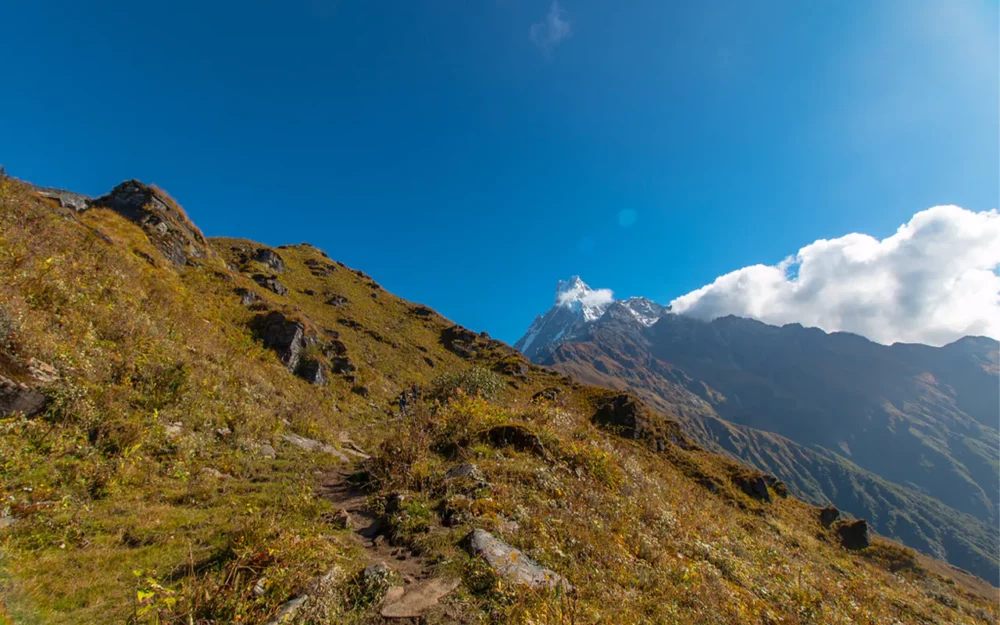
The distance is quite short but narrow ridges, rocky stone paths and rugged terrain make it a bit strenuous.
On day 4th, we’ll gain acclimatization; we’ll forward our steps slowly and steadily.
On day 4th stay hydrated, and take small breaks while walking. After walking for several hours, we’ll reach High Camp. From the top of this place, you’ll have remarkable views of astonishing mountains and peaks.
Duration
2/3 hrs trekAccommodation
LodgeMeals
Breakfast, Lunch & DinnerMax Altitude
3550mDay 05: Hike to Mardi Himal Base Camp and back to High Camp
Day five is going to be full of adventure and a fantastic day for us. Today is the most promising day for us. We’ll hike to Mardi Himal Base Camp.
Our trek will be accomplished in 3-4 hrs. We must have a good level of fitness to reach elevations of 4,500 m.
We’ll wake up quite early to witness the sunrise and enjoy the panoramic views from the Mardi Himal Base Camp.
Following the narrow ridges, and rocky paths, we’ll reach the Mardi Himal Base Camp upon gaining an elevation of 2600 ft.
We’ll be glad after reaching the Mardi Himal Base Camp. From the vantage point of base camp, you’ll get stunning views of Annapurna South, Hiunchuli, Fishtail and other surrounding peaks.
After spending some time and making a lot of memories, we’ll trek down to High Camp.
Duration
3/4 hrs trekAccommodation
LodgeMeals
Breakfast, Lunch & DinnerMax Altitude
4500mDay 06: Trek to Sidding village and drive back to Pokhara
I hope you all are enjoying the Mardi Himal trek. Today is the last day of our journey. We’ll have a lot of fun and adventure today.
After taking an early morning breakfast our trek continues. We’ll have to walk for 5-6 hrs on day sixth.
Finally, we’ll trek down from High Camp to Low Camp. Throughout the journey, we’ll be pleased by seeing the rhododendron forests, beautiful mountains, diverse landscapes and many more. Further, we may also encounter some wildlife animals or get a glimpse of a beautiful bird Danphe.
Our walking trail continues till we reach Mardi Khola. From the river, we’ll reach Sidding where we rest for some time.
After taking a rest, we’ll drive to Pokhara from here. After reaching there, you may take a rest or go shopping.
Meanwhile, in the evening, we’ll have a farewell program for Nepali cultural dance. Further, we’ll serve you Nepali Thakali cuisine as a dinner. It includes Rice, Lentils, Seasonal Vegetables, Fish/Mutton/Chicken curry, Spinach, Curd, Nepali Potato pickles, and sweets in desserts.
Duration
5 hrs trekMax Altitude
822mMardi Himal Trek Altitude Chart
Trip Information - Good to Know
What are the expectations from Mardi Himal trek?
The 6-day Mardi Himal trek is one of the most rewarding and adventurous journeys in Nepal. It is one of the most purchased tour packages of Nepal. Unlike the Annapurna Circuit and EBC trek, you don’t have to trek for two weeks. Within a short span of days, you will experience breathtaking mountains & Himalayas.
Unlike other trekking of Annapurna, it will also take you to an incredible height of 4,500 meters. Throughout the treks, you will be facilitated with comfort accommodations and tea houses. The trek is less crowded and familiar to all ages of people.
The Mardi Himal tour package is relatively shorter, but more enjoyable than other treks in Nepal.
What is the difficult level of Mardi Himal Trek?
The Mardi Himal Trek is regarded as a moderately challenging trek. While for trekkers, it doesn’t require mountaineering skills. With a reasonable level of fitness the trek can be accomplishable.
The trek involves steep climbs, rocky terrain and some narrow ridges but not challenging like Dhaulagiri or Annapurna circuit trek. The trek reaches an elevation of 4,500 meters which may lead to altitude health problems. But with proper planning & preparations, it can be manageable.
The weather is unconditional at the Annapurna region like sudden changes in temperature, unbearable wind and snow. You must be cautious before and during the trek.
For the succession of trek, the hikers should have appropriate trekking gear, which includes hiking boots and warm clothes. This is an astounding trek of Nepal. We Sonam Adventure recommended to everyone.
Plan & Preparations of Mardi Himal Trek
Trekking to Mardi Himal Base Camp is not like walking in the park. It’s neither too difficult nor too simple. It is accomplishable. However, you must need a proper plan & preparation to conclude the trek.
Anyone can take part in this amazing trek, but it is essential to have a good physical condition. You have to walk 5-6 hours every day on average.
For the accomplishment of the trek, you better start at least three weeks before your trip. You may engage in cardiovascular training, cycling, jogging, swimming and other physical activities.
You may also go on hikes with a bag pack on your back. It helps you to endurance your stamina and energy.
(Note: Kindly avoid the trek; if you have any altitude related problem).
Mardi Himal – a promising trek to both beginners and experienced
Nestled in the heart of the Annapurna region, the Mardi Himal trek is doable and appropriate for both beginners and experienced trekkers. It’s a complete family trekking that takes you to an elevation of 4,500 meters.
This trek offers impeccable views of astounding mountains, diverse landscapes, lush green forests, cultural immersions, natural flora and fauna, and wildlife.
It is accomplishable for the beginner’s because the trails are well maintained. There is less uphill-downhill climbing during the journey. While experienced trekkers admire the stunning views and appreciate the challenge to reach at the Mardi Himal Base Camp.
Compared to Annapurna Base Camp and the EBC trek; it is less crowded and has more flexibility of itinerary.
Overall it’s not a strenuous tour. If you haven’t trek yet, but have reasonable level of fitness then Sonam Adventure welcome you for this amazing & beautiful journey.
Best Season for Mardi Himal Trek
Nepal is subdivided into 4 climate/season named Autumn, Spring, Monsoon & Winter. You may visit throughout all the years. However, some seasons are promising time for trekking.
Spring (March-May) – Spring is the peak season for any trek in Nepal. During March-May, several trekkers land their steps in Nepal for Mardi Himal trekking.
The season has favourable weather conditions and mild temperatures. The blooming rhododendrons and bird chirpings make your trip unforgettable. There are less chances of rain. Therefore, you will get panoramic views of different mountain ranges.
Autumn (Sep-Nov): Trekking in Autumn is a premium choice for the Mardi Himal Trek. The monsoon has just ended. There is little chance of rain till September. Further, there is chilly cold in the morning & late evening during this season.
During this time, Nepal also celebrates their major festivals Dashain and Dipawali. Through these celebrations, you’ll know the customs, traditions and cultures of Nepal.
Winter (Dec-Feb) – The Mardi Himal trek is possible in winter (dec-feb). Trekking to Mardi throughout Dec-Feb is quiet challenging but equally rewarding.
During these months, you’ll get the stunning views of mountains like Annapurna range, Hiunchuli, Fishtail and Bouddha. Furthermore, there is less number of visitors during this time that makes your trip more enjoyable. Aside from this, the tea houses and lodges are open for the tourist as well.
Monsoon: The Monsoon is the last best option for the Mardi Himal trek. During these times there are high chances of raining everywhere. As a result, there are slippery trails. Furthermore, there are mudflows from the top of the mountains.
Sometimes you caught in heavy rainfall during your journey. That may lead you to unconditional accidents.
In essence you may select Autumn, Spring or Winter compared to Monsoon.
Accommodation during Mardi Himal Trek
Accommodation is the heart of any trekking in Nepal. During the Mardi Himal trek, we’ll provide you with comfortable lodges, houses and tea houses.
The Mardi Himal trek is one of the popular treks of Nepal. Like Dhaulagiri and TSUM Valley, it is not an isolated trek. Therefore, you do not have to rely on the tented camps.
When you are in Pokhara or Kathmandu, we’ll reside in 3-4-star hotels/resorts. It has the facilities of 24-hour room services/front desk, an in-house restaurant, a swimming pool, free laundry and more.
The more you ascend upwards the accommodation services turn to basic from elegant. During the trekking, you will get a comfortable twin-shared tea house with communal dining. The bathroom may be traditional or modern.
(Note: You may have to pay for WI-FI Services & hot shower)
Food & Meals Availability
During the Mardi Himal trek, you’ll have several options that include Nepalese, Western, Indian, and Chinese. We’ll provide three courses of meals in a day – Breakfast, Lunch & Dinner.
Local Cuisine – During the Mardi Himal trek, you should/may try Nepali cuisines Dal, Bhat, Tarkari aka Rice, Lentils & Seasonal Vegetables. Along with, you may have chicken/egg/mutton curry and Nepali pickle. Aside from this, you’ll also taste some local dishes like Dhido, Gundruk, kodo ko roti (millet flatbread), Dhikri, Bhakka and several other dishes. Here is some more authentic taste of Nepal.
- Chatmari
- Juju Dhou
- Sel Roti
- Thupka
- Poori Tarkari
- Rice Pudding
International Cuisines & Foods – During your Mardi Himal trek; you may taste the savory international cuisines.
- Pasta
- Pizza
- Burger
- Pan Cakes
- Egg Toast
- Chowmeen
- Mo:Mo (dumplings)
Other Snacks: Mardi Himal is a moderate to difficult trek. During the journey, we advised you the bring energy provider foods that includes bars, dark chocolates, milk chocolates, protein shake powder, nuts, cashew and other dry fruits. These snacks are cheaper and easily available anywhere in Nepal.
Drinking Water Facilities
Drinking water is readily available for the Mardi Himal trekkers. You don’t have to pay for the water during your stay in Kathmandu or Pokhara.
During trekking, you can easily purchase packaged drinking water from the tea houses and lodges. It costs around 100-200 NR per 1 liter bottle.
There are some tea houses that also offer boiled water to visitors. It is useful and less costly than packaged drinking water. Aside from this, you may also use water purification tablets.
The water sources from streams, wells & taps are not safe because of the bacteria contamination.
Permits & Documents for the Mardi Himal Base Camp Trek
For the Mardi Himal trek, you need two permits: Annapurna Conservation Area Permit and Trekker’s Information Management System.
These permits can easily obtainable from Kathmandu or Pokhara from Nepal Tourism Board.
Annapurna Conservation Area Permit (ACAP): This permit is needed to enter in the Annapurna Conservation Area that also includes Mardi Himal.
Trekkers Information Management System (TIMS): This card is very reliable and trustworthy. This card is mandatory. It is used for the safety and security when you travel in the Himalayan region.
Regarding ACAP, NON-SAARC tourist has to pay 3,000 and it costs 2,000 for TIMS permits.
Aside from this, you have to submit the copy of the passport and 2 passport sized photograph. Further, you also have travel insurance for your safety.
Travel Insurance for the Mardi Himal Trek
Travel insurance is the heart of any trekking or travelling. It is absolutely significant and mandatory for trekkers, especially when you hike above 2,500 meters.
Trekking in Nepal is rewarding but equally challenging. For the Mardi Himal trek, you have to take your feet above 4,500 meters. Sometimes high elevation trek leads you health problems like Acute Mountain Sickness, nausea, vomiting, ad shortness of breath or any other medical emergencies. To minimize all these obstacles, travel insurance is extremely important for you. It will be a life-saving friend for you.
- It covers all medical emergencies in abroad.
- It covers lost or damaged property
- Emergency Evacuation
- It covers all travels delayed
A complete financial solution of your travelling.
Frequently Asked Questions
What are the highest elevations of the Mardi Himal trek?
The highest elevations of the Mardi Himal Trek are 4,500 meters.
How many hours do we have to walk each day?
As per our itinerary, we have to walk 5-6 hours each day with 10-15 kilometers distance.
I am a beginner. Is this trek suitable for me?
It’s a family trip. Anyone with a reasonable level of fitness can conclude the trek. If you have health issues like asthma, bronchitis, or shortness of breath; it’d be better to avoid the trek.
Will somebody come to pick us at the airport?
We at Sonam Adventure are always at the service of our clients. Before your arrival time, our company representative will be available at the airport. He will display your name outside the terminal. Lately, we’ll be transferred to the hotel in a private vehicle.
What is the best season for the Mardi Himal Trek?
The best season for trekking is March to May – Spring and October to November – Autumn. However with proper precautions you may also enjoy the trip in Winter. Similarly, Monsoon is the last best options for the trek.
Can I use credit cards during my trek?
When you are in Kathmandu and Pokhara, credit cards are readily available. But, when you are outside of the city. You have to pay cash in Nepali currencies. You may exchange your USD, EUR or any currency from the Money Exchange counter in Pokhara.
Can I get charging facilities during my trek?
Yes charging facilities is widely available in the hotels, lodges and tea houses of Annapurna region. However, sometimes there may be electricity problem so it’s better to have power banks for mobile and spare batteries for camera.
Can I get shower after the trek?
Yes, hot shower is available at the tea house during the Mardi Himal trek. However, you have to pay little amount for it.
Trip Reviews
 Write a Review

How to book a trip?

make free inquiry

